distributed PV power station O&M Intelligent Upgrade Solution
As a professional provider of IoT data acquisition solutions and an expert in industrial IoT data acquisition, the editor of Shanghai Data Acquisition IOT Technology Co., Ltd, (daq-iot) hereby presents the following introduction, and sincerely welcomes discussions and exchanges. Supported Communication Interfaces: CAN, RS485, Mbus, 4–20mA, Profibus, CC-Link, HART, digital I/O, etc. Industrial Protocols: Modbus RTU/TCP, HJ212, IEC104, DLT645, DLMS, IEC61850, MQTT, etc. Mail:export@daq-iot.com
With the rapid development of thePVindustry,distributed PV power stationThe management ofO&Mis facing many challenges. withData collection IoTTaking the 18 rooftop industrial and commercial distributed PV power station operated by a new energy company that the team has served as an example, these power stations vary in scale, with power generation ranging from several kilowatts to several megawatts. The construction time span is long, and the earliest power station was built in 2012. The company previously mainly used traditional manual inspection methods and encountered the following four types of problems:
Firstly, the power stations are scattered and located in dangerous areas, resulting in low efficiency of manual inspections and potential safety hazards;
Secondly, equipment aging leads to frequent malfunctions, making it difficult for manual inspections to detect and handle them in a timely manner;
The third issue is that Data Acquisition and management rely on manual operations, resulting in data loss and analysis difficulties;
The fourth issue is the high cost ofO&M, and as the number of power stations increases, the traditionalO&Mmodel becomes unsustainable.
The customer urgently needs to introduce data acquisition IoT technology to achieve intelligent O&M, improve O&M efficiency, and reduce O&M costs. In order to solve the problem of PV power stationO&M, the data acquisition IoT team conducted a field investigation on a 1-megawatt rooftop PV power station. The power station was built in 2016 and installed 36 33 kilowatt units at that timeHuawei inverterThese inverters form an array and supply the power generated by thePVboard to local loads through combiner boxes and grid boxes, and transmit excess electricity to the national power grid.
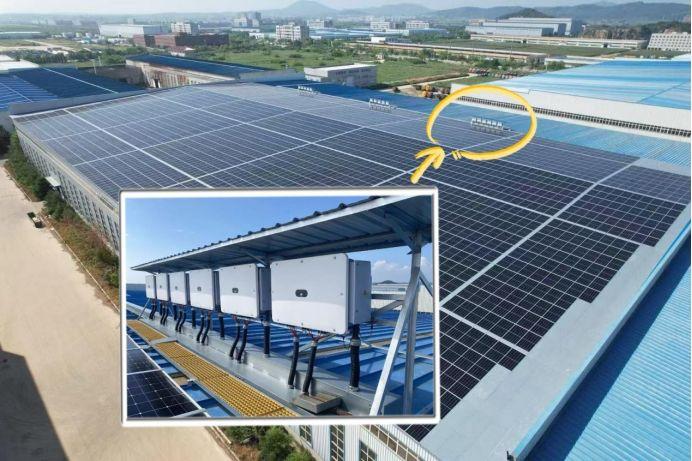
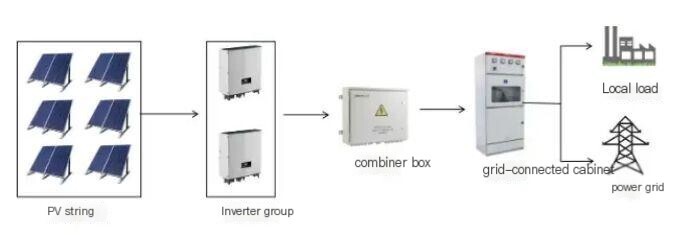
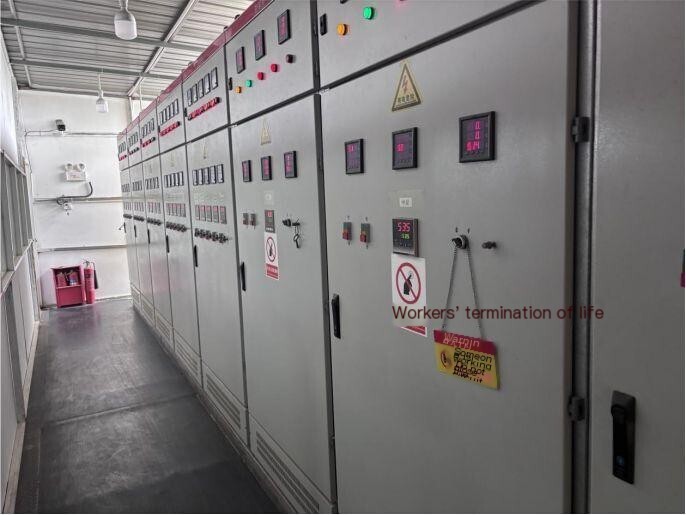
After on-site investigation, it was found that the current inverter data can only be read manually on site, and the types of data that can be read are very limited. In addition, the electricity data connected to the grid also relies on manual transcription. This data reading task alone results in O&M company having to spend thousands of yuan per month. To solve the problem faced by customers, Shucai IoT Company has carefully developed a set of integrated software calledHardware, which includessolution,O&M, andIoT.
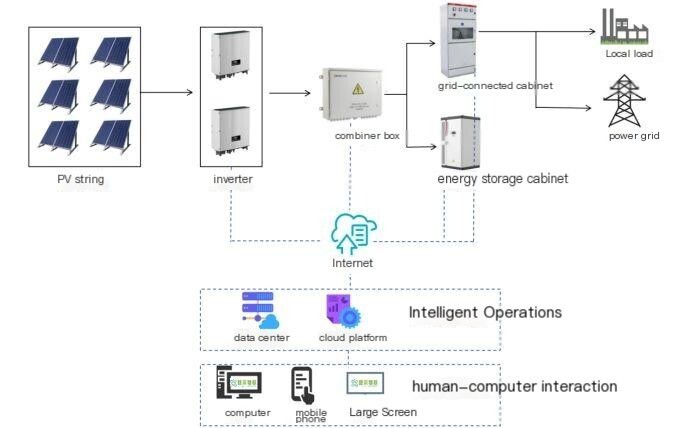
Thesolutionmainly implements the following functions:
1. Unified management of multiplePV power stationon a single platform.
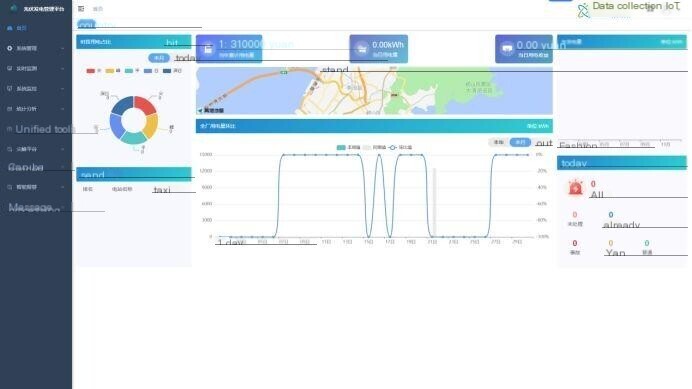
PV Power Generation Management Platform
2. Implement a remote collection of data from multiple inverters using GatewayReal-time.
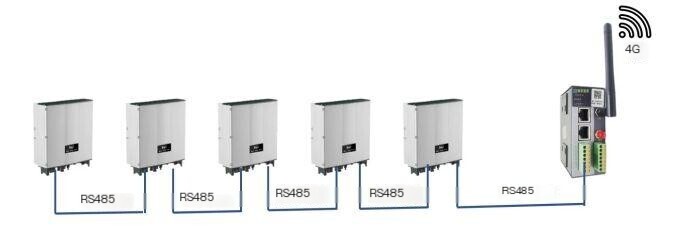
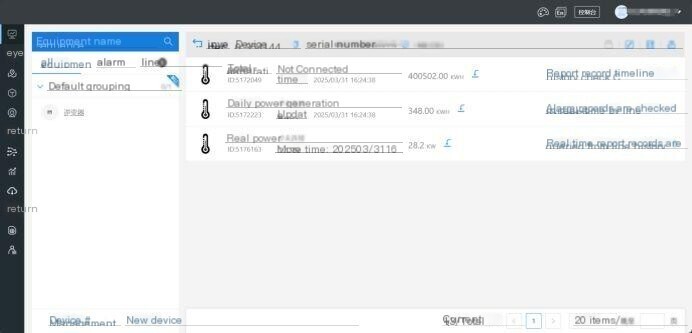
3. Realize remote data collection ofPV.
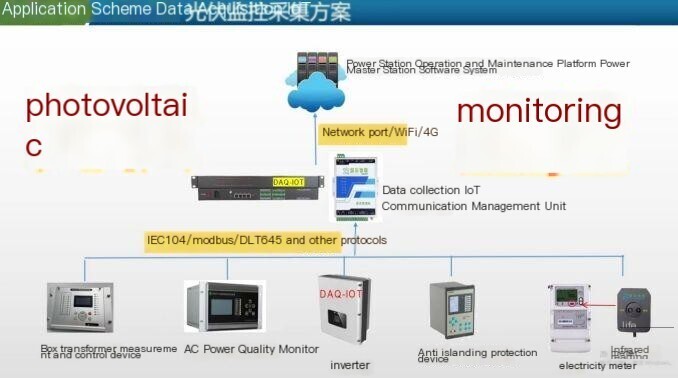
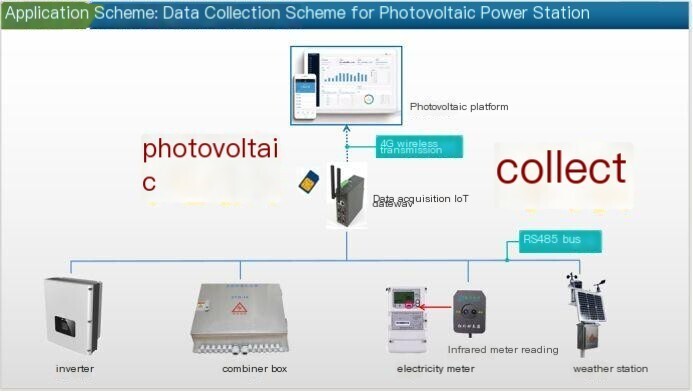
4. Use an infrared meter reading device Real-time to remotely collect and export grid connected time-sharing electricity data.
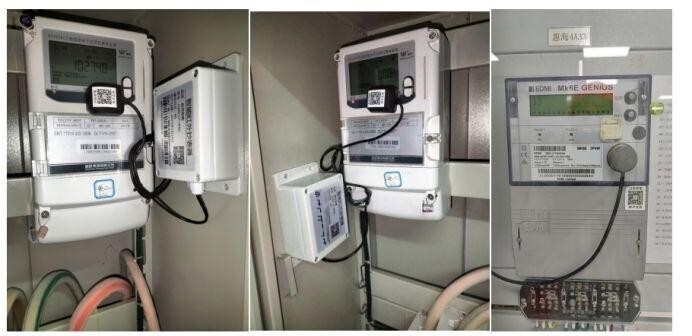
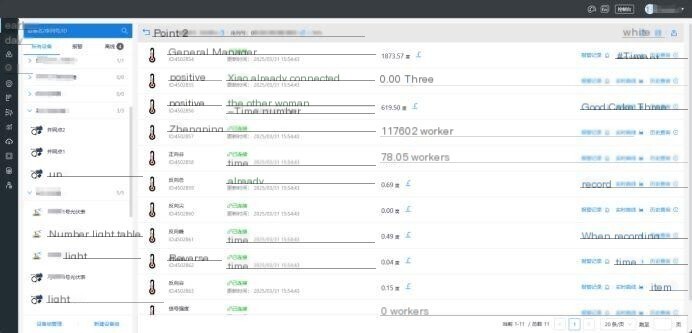
PV Grid connected/Internet connected meter Data Acquisition
5. Provide data reportsData Analytics、 Services such as power quality analysis, intelligent alarm, and power station management O&M.
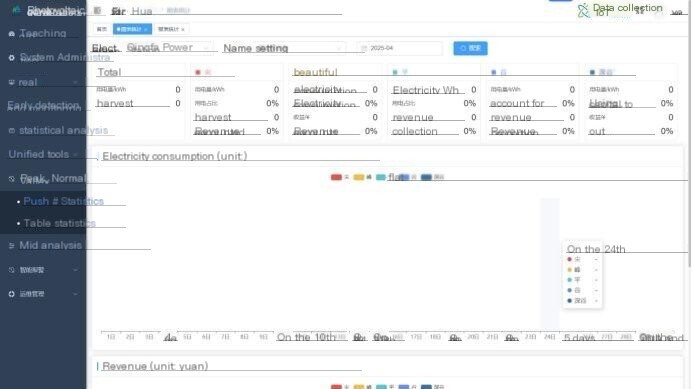
Peak and valley statistics of time-sharing electricity consumption
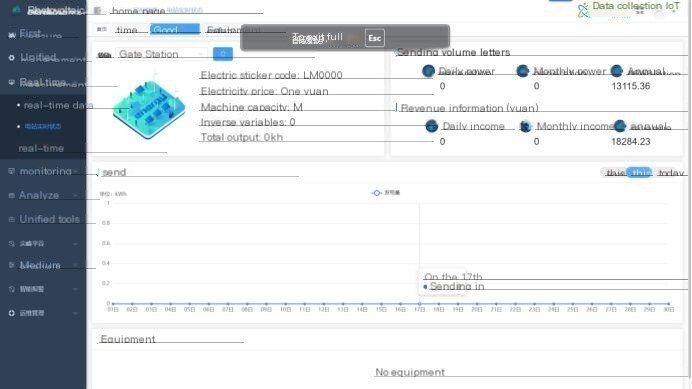
Power Station Real-time Data Monitoring
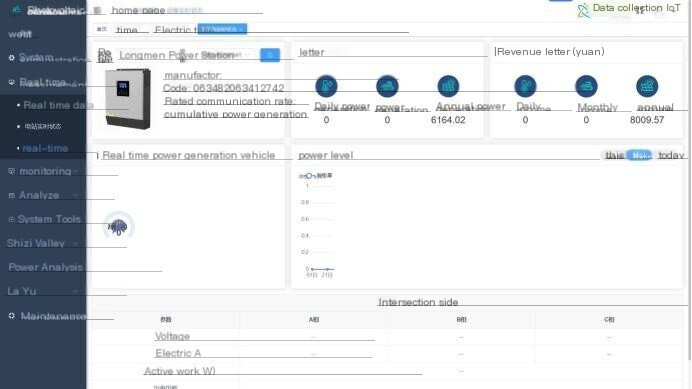
Device Real-time data monitoring
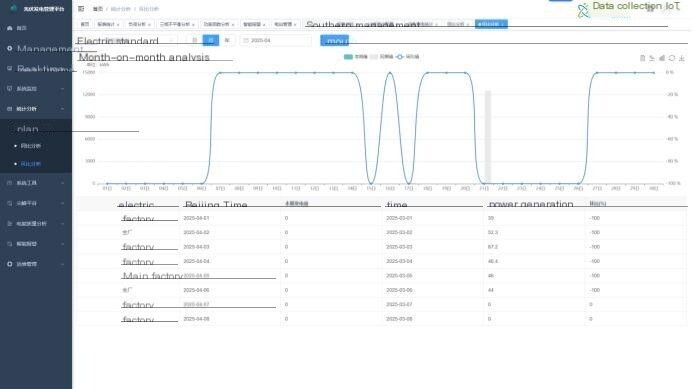
Data statistical analysis
There is a strong demand for digitalization and intelligence in distributed power stations, and both the existing and incremental markets are huge. It requires the participation of various industries to improve the efficiency and power generation efficiency ofO&M.


评论
发表评论