(Type dyeing machine) Digital large screen display board in chemical fiber textile industry factory workshopData AcquisitionCase
As a professional provider of IoT data acquisition solutions and an expert in industrial IoT data acquisition, the editor of Shanghai Data Acquisition IOT Technology Co., Ltd, (daq-iot) hereby presents the following introduction, and sincerely welcomes discussions and exchanges. Supported Communication Interfaces: CAN, RS485, Mbus, 4–20mA, Profibus, CC-Link, HART, digital I/O, etc. Industrial Protocols: Modbus RTU/TCP, HJ212, IEC104, DLT645, DLMS, IEC61850, MQTT, etc. Mail:export@daq-iot.com
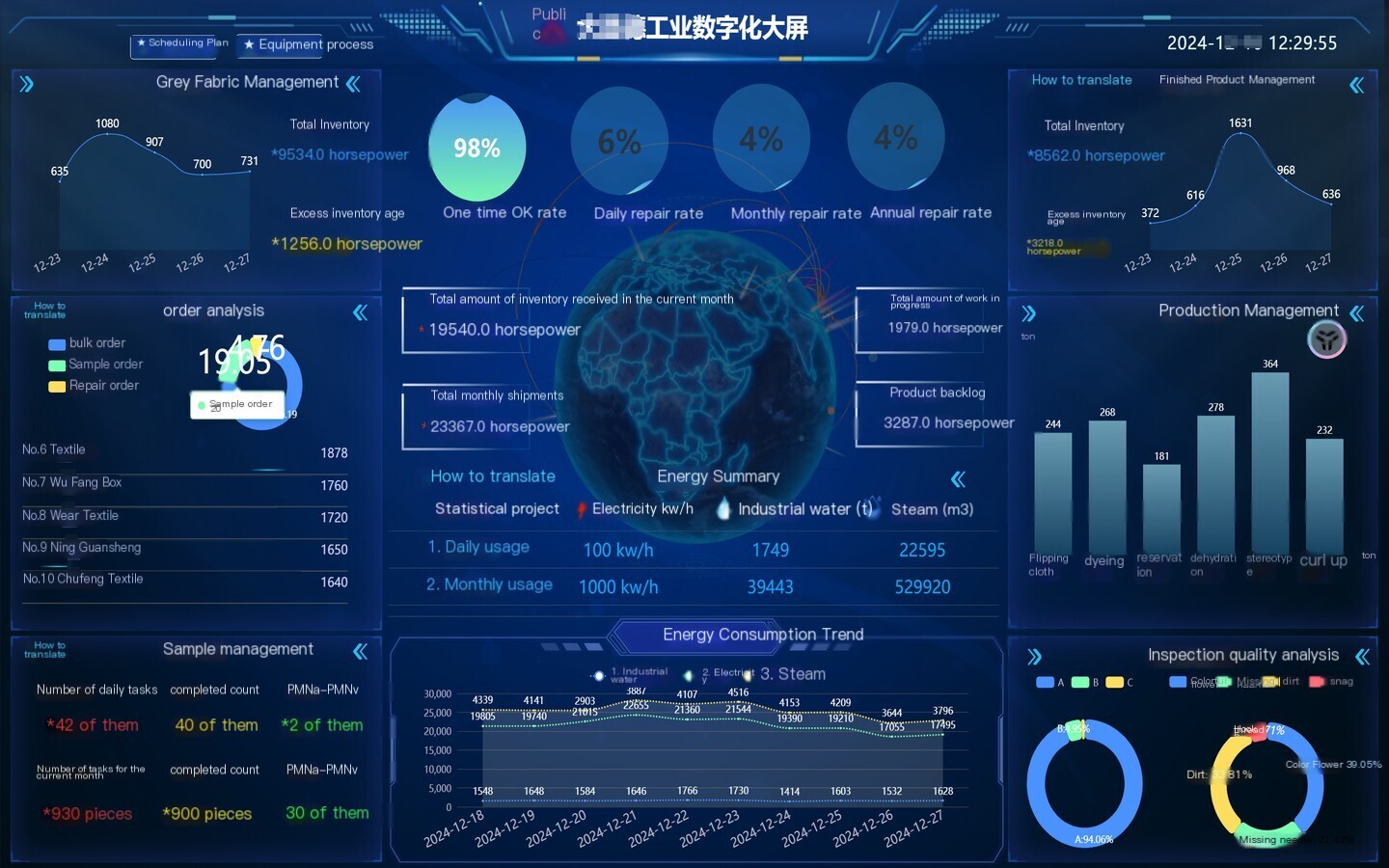
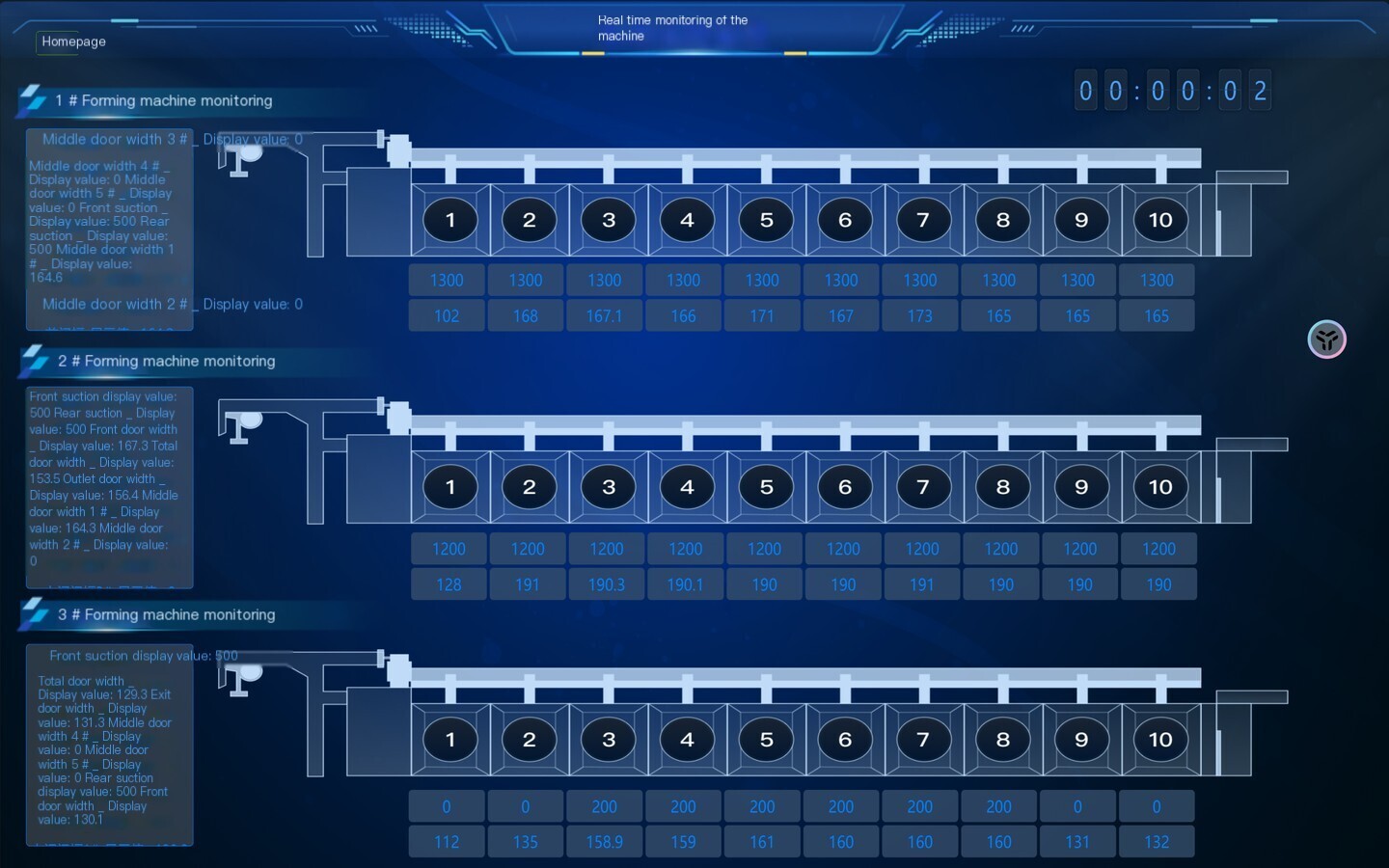
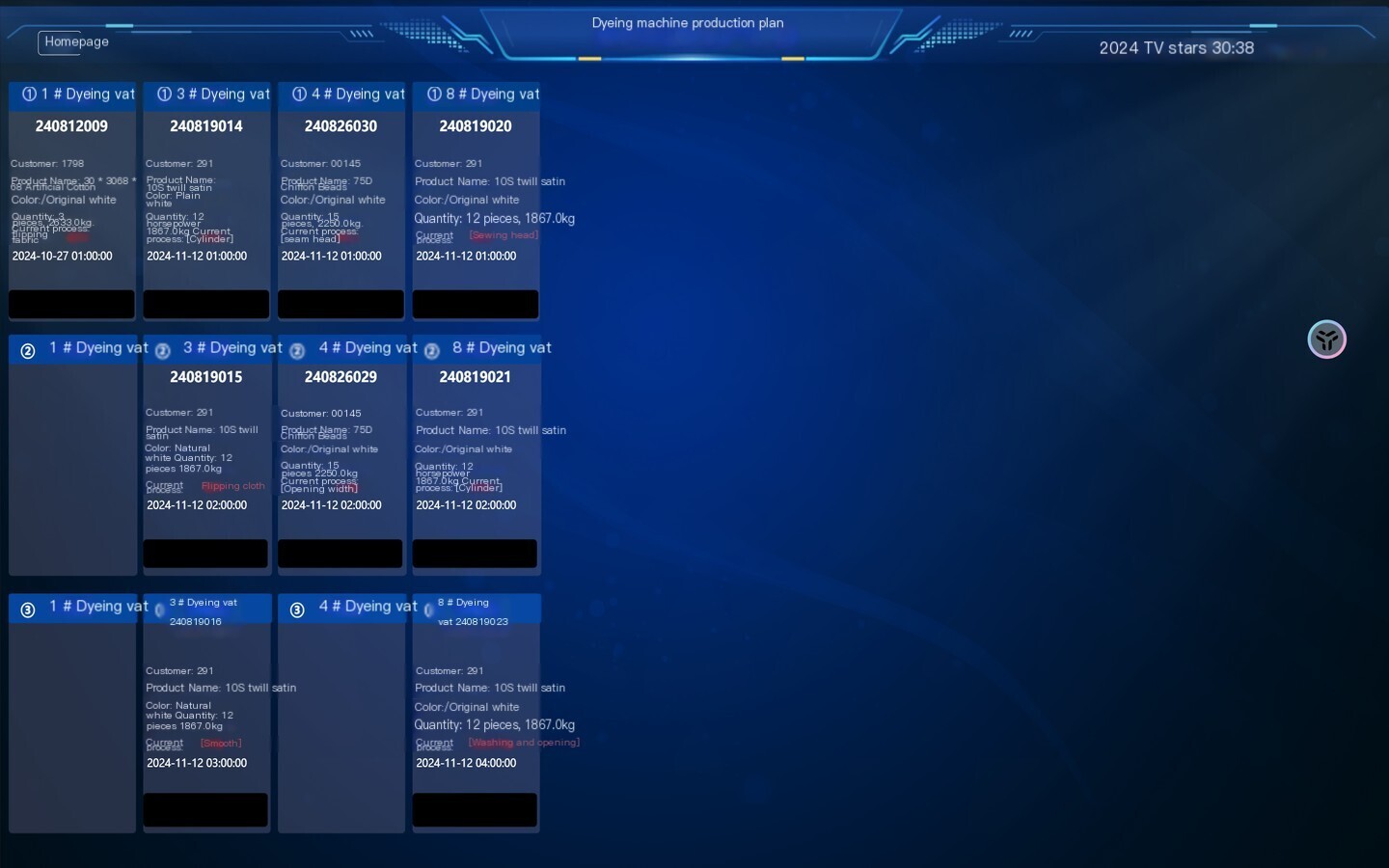
For the factorydata acquisitionDisplay the data on a large screen
asIoTData Acquisitionsolution Professional provider, data acquisition IoTEditor daq iotHere is an introduction to the following content, and we sincerely welcome everyone to discuss and exchange ideas
The digitization of textile factory workshops solution is a process involving information technology, automation IoT、Data AnalyticsComprehensive systems across multiple fields. The following is a rough framework for the digitalization of textile factory workshops based on the current level of technology solution:
1. Design and Planning
- Requirements AnalysisUnderstand the production process, equipment condition, management requirements, etc. of the textile factory.
- goal setting: Clearly definedDigital transformationThe goals include improving production efficiency, reducing energy consumption, and enhancing product quality.
2. Hardware Facility Upgrade
- intelligent devicesIntroducing automated textile machinery that can Real-time monitor equipment status and automatically adjust.
- Sensor DeploymentInstall temperature, humidity, vibration, etc. at key locations Sensor, and collect data Real-time.
- Network constructionEstablish a high-speed and stable systemIndustrial EthernetEnsure the reliability and reliability of data transmission.
3. Software system development
- Data Acquisition systemCollect equipment operation data, production data, environmental data, etc.
- Central control systemIntegrate functions such as data monitoring, production scheduling, andDevice Management.
- Data Analytics platformUsingBig Datatechnology to analyze production data, optimize production processes, and predict faults.
4. Management system integration
- production management systemImplement production planning, material management, inventory management, etc.
- Quality Management SystemReal-time monitors product quality, automatically records and analyzes quality issues.
- Energy Management SystemMonitor energy consumption, optimize energy use, and reduce costs.
5. Training and Implementation
- staff training: Conduct training for employeesDigital management systemOperational training.
- system implementationImplement the digital system in stages to ensure a smooth transition.
6. Continuous optimization
- feedback mechanismEstablish employee feedback channels and collect issues encountered during system usage.
- System upgradeContinuously optimize and upgrade the system based on feedback and market changes.
Specific implementation steps
- Infrastructure upgradeUpgrade network infrastructure to ensure data transmission efficiency.
- equipment modification: Conduct on existing equipmentintelligent transformationOr purchase new smart devices.
- system integrationIntegrate various software systems with Hardware devices to achieve data circulation and unified management.


评论
发表评论